Patient privacy is a cornerstone of quality healthcare. Whether it’s a quiet consultation room or a secure treatment area, medical facilities must protect sensitive conversations and ensure dignity for every patient.
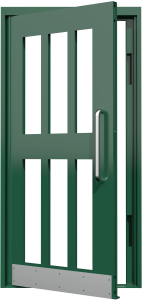
Acoustic steel doors in healthcare settings offer a smart, reliable solution. These doors reduce noise transfer while meeting the high standards of hygiene, safety, and durability expected in medical environments. By helping to control sound, they support better care, improved confidentiality, and a calmer atmosphere.
We discuss how acoustic steel doors improve privacy in healthcare facilities and why they’re a trusted choice for modern medical spaces.
Why is acoustic privacy essential in healthcare settings?
Healthcare facilities present unique acoustic challenges. Patients discuss intimate health concerns with doctors. Mental health consultations require absolute confidentiality. Recovery rooms need peaceful environments free from corridor noise. Each scenario demands effective sound control.
The General Medical Council emphasises patient confidentiality as the foundation of medical ethics. Beyond ethical obligations, poor acoustic privacy can lead to:
- Patients withholding crucial medical information
- Increased stress and anxiety levels
- GDPR compliance issues
- Reduced patient satisfaction scores
- Staff communication difficulties
Traditional doors often fall short. Standard timber doors might offer basic privacy, but they lack the acoustic performance and durability required for busy healthcare environments. This is where specialised acoustic steel doors prove their worth.
How do acoustic steel doors work?
Acoustic steel doors use a layered design to block sound. The steel outer shell gives the door strength and durability. Inside, sound-absorbing materials, like mineral wool or acoustic foam, help stop noise from passing through. High-quality seals, made from materials such as neoprene or silicone, close off gaps around the edges to prevent sound leakage.
Many doors include multiple layers of insulation. Some use advanced composite materials for even better performance. The steel exterior protects the internal layers and ensures the door lasts, even in busy environments like hospitals or offices.
Measuring noise reduction
Noise reduction is measured using the Sound Reduction Index (Rw), in decibels (dB). A typical steel door may reduce noise by 25–30 dB. A high-performance acoustic steel door can achieve 40–50 dB or more.
For best results, choose doors with certified test data and ensure proper installation. Acoustic steel doors offer a dependable solution for managing noise in healthcare, education, and commercial settings.
What are the key benefits of acoustic doors in healthcare facilities?
Effective sound management can transform a healthcare facility. Acoustic doors offer targeted noise reduction, supporting confidentiality, healing, and staff efficiency.
Patient confidentiality and dignity
Acoustic doors create private spaces where patients feel secure discussing personal matters. A consultation room fitted with a 45 dB acoustic door ensures conversations remain confidential, even when corridors are busy. This privacy encourages open communication between patients and healthcare providers, leading to better diagnoses and treatment outcomes.
Enhanced healing environment
Research consistently shows that excessive noise hampers patient recovery. Acoustic doors help create calm environments conducive to healing. By reducing external noise, these doors:
- Improve sleep quality for recovering patients
- Lower stress hormones
- Reduce the need for pain medication
- Shorten recovery times
Improved staff productivity
Healthcare workers benefit significantly from proper acoustic control. Quiet workspaces allow staff to concentrate on complex tasks. Reduced noise fatigue means professionals maintain focus throughout long shifts. Private spaces for staff briefings and handovers ensure clear communication without distraction.
What acoustic performance should you look for?
Different healthcare environments require varying levels of acoustic protection to ensure confidentiality, comfort, and operational efficiency:
- Consultation rooms usually need 30–40 dB of sound insulation (Rw). This level is suitable for most conversations, though loud voices may still be faintly heard outside.
- Mental health facilities benefit from higher insulation, typically 40–45 dB or more. This reduces noise-related stress and keeps sensitive discussions private.
- Operating theatres focus on internal noise control and low reverberation. Sound insulation between rooms generally ranges from 40–45 dB. In specialist cases, levels above 50 dB may be necessary, but this is uncommon.
- Sleep study rooms often require the highest acoustic rating. Some standards call for up to 55 dB of insulation to maintain a quiet, controlled environment for accurate monitoring.
For any acoustic system to perform as expected, professional installation is essential. Poorly sealed frames or damaged seals will reduce the effectiveness, regardless of the door’s rating. Attention to detail at installation makes all the difference.
How do acoustic doors balance safety with sound control?
In healthcare, safety can’t be compromised for the sake of sound control. High-quality acoustic steel doors can deliver both. They reduce noise while meeting strict safety requirements.
Many models come with fire ratings from FD30 to FD240. Their steel structure resists fire, and the internal layers are made from fire-resistant materials. Security is also a key feature. These doors can include multi-point locking, reinforced frames, and anti-ligature options to protect patients and staff.
Despite their strength, acoustic doors remain practical in emergencies. They can include vision panels for observation and emergency release mechanisms to ensure quick access when needed.
What configuration options are available?
Healthcare facilities require flexibility in door solutions. Acoustic steel doors offer numerous configuration options:
- Size variations – From standard single doors to double-leaf configurations for equipment access.
- Vision panels – Various glaze options allow visual contact while maintaining acoustic performance. Specialised acoustic glass ensures sound reduction isn’t compromised.
- Access control – Integration with electronic locking systems, card readers, and intercom systems.
- Finishes – Hygienic powder-coated finishes in colours that complement healthcare environments. Anti-bacterial coatings provide additional infection control benefits.
- Threshold options – Drop-down seals or surface-mounted options accommodate different flooring types while maintaining acoustic integrity.
Can acoustic doors provide additional benefits?
Yes, acoustic steel doors offer more than just sound control. Their steel construction makes them highly durable. They can handle daily wear, impact from equipment, and repeated cleaning with strong sanitisers. The smooth, non-porous surface also resists bacteria and supports hygiene protocols.
These doors improve thermal efficiency too. The materials that block sound also help regulate temperature, keeping clinical spaces comfortable. And while the upfront cost may be higher, their long lifespan and low maintenance make them a smart long-term investment.
Transform your healthcare facility with Bradbury Group
Delivering true privacy in healthcare requires more than basic soundproofing. It demands solutions built to perform. Bradbury’s acoustic steel doors are engineered to reduce noise while meeting the highest standards of safety, fire resistance, and durability.
With over 30 years of experience and a strong focus on tailored solutions, we understand the challenges healthcare facilities face. Our acoustic doors are built to your specifications and backed by expert support from design through to installation. Contact us to discuss how we can help you create secure, private, and compliant healthcare environments with confidence.